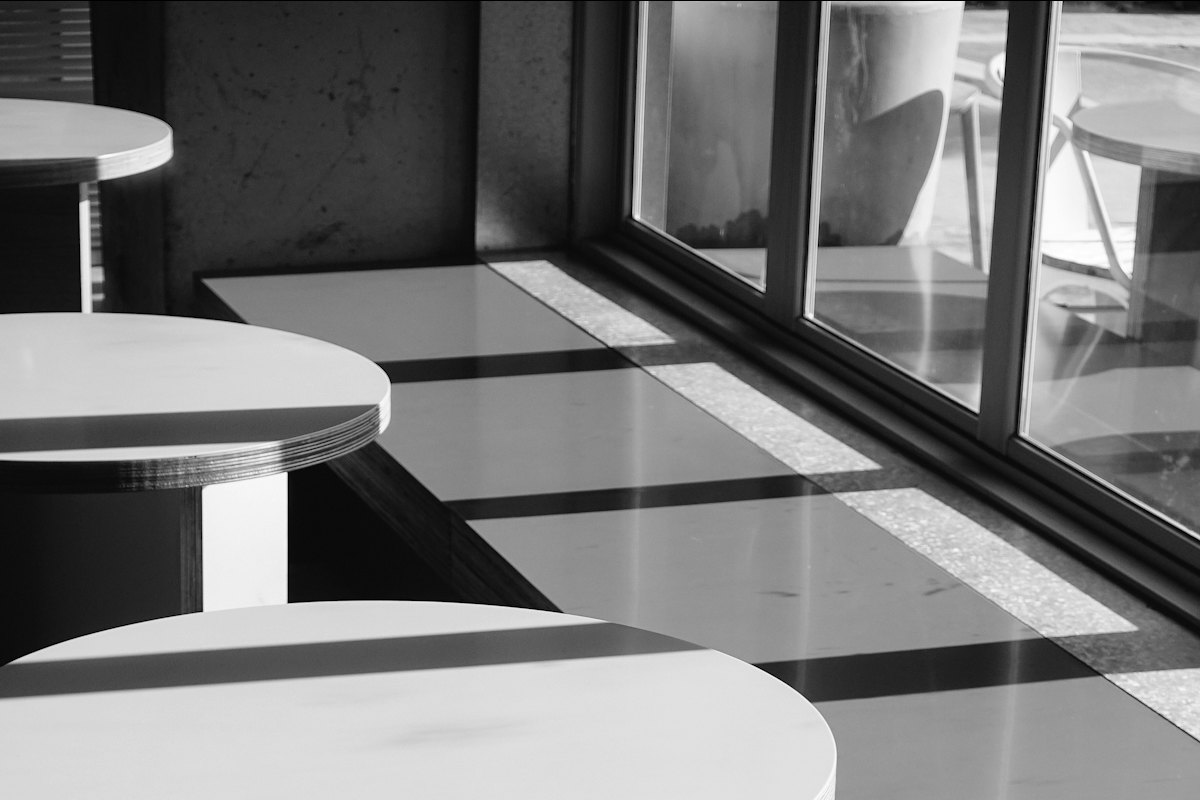
Photo for illustration purposes only
"Quiet cafe" means different things depending on what you're there to do. A cafe built for solo laptop work isn't automatically right for a conversation, and a good spot for a quick pause isn't automatically right for a longer stay. Matching the cafe to the occasion matters more than finding "the quietest one."
Tokyo has no shortage of calm, unhurried cafes, which is part of the problem: with so many options, it's easy to pick one that's quiet in the wrong way for what you actually need. A cafe silent enough for solo focus can feel oddly stiff for a relaxed catch-up with a friend. One built for lingering over a book might not have the seating a small meeting needs. The concept behind all of them is the same — what sociologist Ray Oldenburg called a "third place," somewhere outside home and work where you can exist without an agenda — but how that plays out changes with the occasion.
Start With What You're Actually There to Do
Before picking a cafe, it helps to name the occasion plainly:
- Solo focus — reading, writing, or working alone, where you want to be left alone without feeling rushed.
- A conversation with one other person — catching up, a casual meeting, or simply talking without a café-length time limit pressing on you.
- Marking something — a birthday, an anniversary, or any day that feels worth slowing down for.
- A pause in the middle of a longer day — not the main event, just a quiet stretch between other plans.
Each of these wants slightly different things from a room: how loud the background is, how close the tables are, how long you're implicitly welcome to stay, and whether the seating suits one person or two.
What Makes a Cafe Work as a Third Place at All
Regardless of the specific occasion, a handful of basics separate a genuine third place from a cafe that's merely pleasant: no pressure to order constantly, no clock visibly pushing you toward the door, and a pace set by the room rather than the staff. What Is a Third Place? covers the concept itself in more depth if you want the background before picking a spot.
Once that baseline is in place, the occasion decides the rest. For solo work specifically, Wi-Fi and a power outlet within reach of your actual seat matter more than almost anything else — a quiet cafe for solo work in Tokyo goes into what to look for there. For a conversation, seating that doesn't force two people to half-shout over the next table matters more than outlets ever will, and where to have a business meeting over coffee in Tokyo covers that specific case in more depth. And for marking something specific, what matters most is usually just finding a corner where nobody feels like they need to hurry.
Green Beans Coffee as a Quiet Third Place
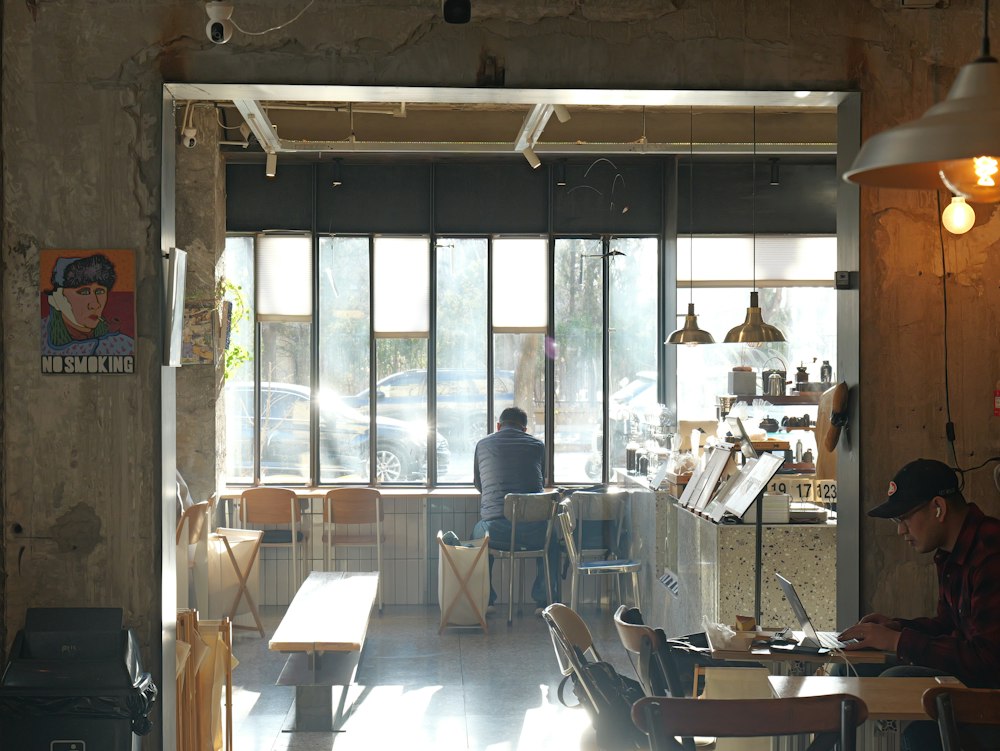
Green Beans Coffee, tucked into the quiet Kitasando area near Sendagaya with no storefront sign, functions as this kind of flexible third place in practice. The room stays quiet enough that neither a laptop session nor a two-person conversation feels out of place, the counter and table seating both work well depending on whether you're alone or with someone, and nobody has ever rushed me out regardless of which occasion brought me in that day.
Who This Is For
Travelers and locals alike who've already found "a nice cafe" but want to think more specifically about what kind of quiet actually suits the moment — whether that's a focused hour alone, an unhurried conversation, or simply a pause worth not rushing through.
Frequently Asked Questions
Q. What's the difference between a cafe for solo work and a cafe for a conversation?
A cafe built for solo work prioritizes reliable Wi-Fi, power outlets, and a pace that lets you stay a long time alone. A cafe suited to conversation prioritizes seating that keeps two people comfortable without needing to raise their voices.
Q. What is a "third place" in the context of a cafe?
A third place is a space outside home and work where you can relax without an agenda or obligation to perform a task. A cafe becomes one when it tolerates long, unhurried stays rather than functioning as a quick transaction.
Q. How do I find a quiet cafe in Tokyo that isn't touristy?
Look outside the major shopping districts. Quieter neighborhoods like Kitasando and Sendagaya tend to have calmer, no-sign specialty cafes that aren't built around foot traffic.
Q. Is Green Beans Coffee suitable for both solo work and meeting someone?
Yes. The quiet atmosphere and mix of counter and table seating work for either a focused solo session or an unhurried conversation with one other person.
Conclusion
The most useful question isn't "what's the quietest cafe in Tokyo," it's "quiet for what." Once the occasion is clear, the right kind of quiet usually follows. Green Beans Coffee in Kitasando covers a wide range of these occasions under one roof, and more on finding a genuine third place in the city is gathered under Third Place Tokyo as the collection grows.
Related Articles


GREEN BEANS COFFEE
Visit the Cafe With No Sign,
in Kitasando
From a single cup of coffee to a truly memorable moment—
enjoy your time just as you please,
amidst homemade dishes and a tranquil atmosphere.
3 min walk from Kitasando Station
You can also reserve via Instagram DM(@green.beanscoffee)