
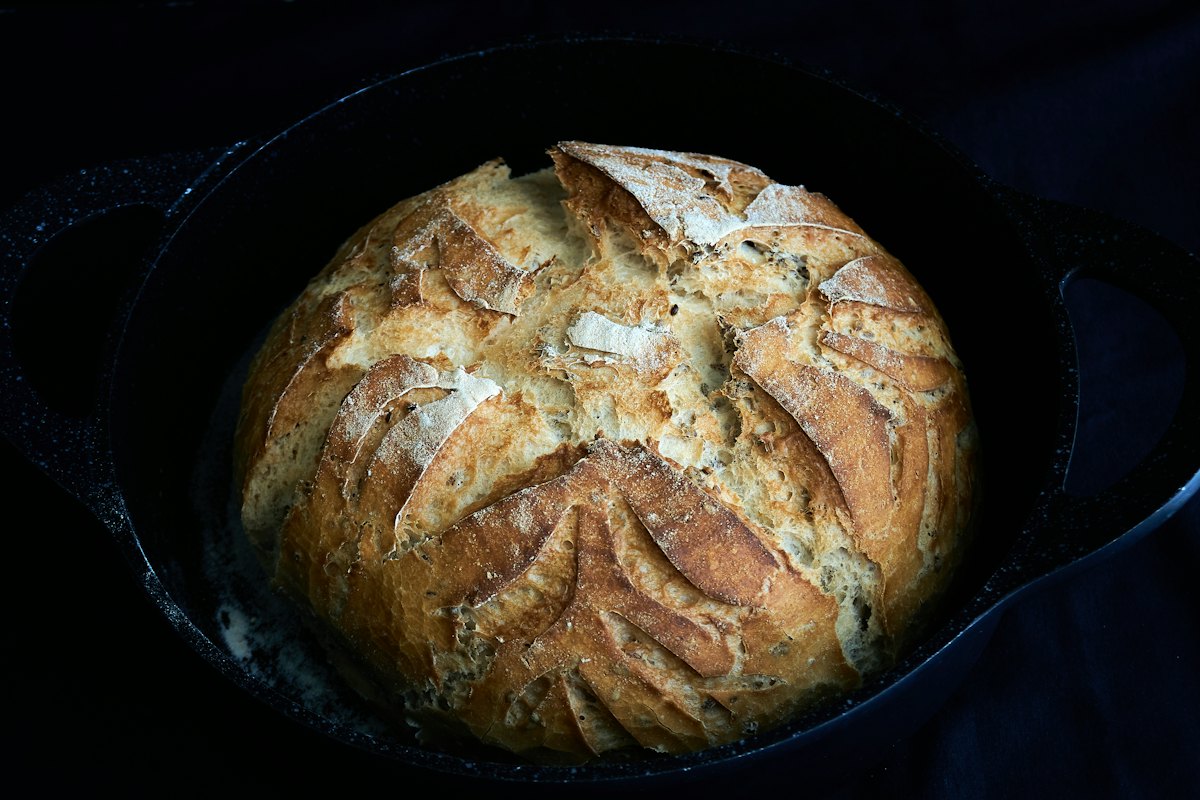
Photo for illustration purposes only
Gluten-free means avoiding gluten, a protein found in wheat, barley, and rye, usually for a medical reason or a personal dietary preference.
Dining gluten-free in Tokyo is more manageable than a lot of visitors expect, but it helps to know what the term actually covers before trying to order around it. "Gluten-free" isn't one single thing; it ranges from a strict medical requirement to a loose lifestyle choice, and the level of caution that makes sense is different depending on which one applies to you.
What Is Gluten, and What Does Gluten-Free Mean?
Gluten is a protein found in wheat, barley, and rye that gives bread and baked goods their elastic, chewy texture. A gluten-free diet avoids all sources of it, including obvious ones like bread, pasta, and most baked goods, and less obvious ones like soy sauce, beer, and many processed sauces that use wheat as a thickener.
Who Actually Needs to Avoid Gluten
Three groups generally follow a gluten-free diet, for different reasons and with different levels of required strictness:
- Celiac disease: a chronic digestive and immune disorder in which gluten triggers damage to the small intestine (NIDDK). This requires strict, lifelong avoidance, since even small amounts of cross-contamination can trigger a reaction.
- Non-celiac gluten sensitivity: people who experience digestive discomfort or other symptoms from gluten without having celiac disease. Sensitivity and required strictness vary by individual.
- Lifestyle or wellness choice: some people reduce or eliminate gluten without a diagnosed medical reason, often alongside broader dietary changes, without needing the same strict avoidance of cross-contamination.
Rice Flour: A Common Gluten-Free Substitute
Rice flour is one of the most common substitutes used in gluten-free baking, since rice naturally contains no gluten. It behaves differently from wheat flour, lacking the same elasticity, so gluten-free baked goods made with rice flour are typically denser or more delicate than their wheat-based counterparts, which is part of why good gluten-free bread and pastry take more care to get right.
What to Ask About When Dining Gluten-Free
A few questions go a long way when eating out:
- Is this a dedicated gluten-free kitchen, or does it also prepare wheat-based dishes?
- Is cross-contamination a concern for your level of sensitivity?
- Are sauces, dressings, and seasonings gluten-free, since these are easy to overlook?
- Can the kitchen accommodate a gluten-free substitution if you ask in advance?
Gluten-Free Options at Green Beans Coffee
Green Beans Coffee in Kitasando, Shibuya, isn't a dedicated gluten-free kitchen, meaning wheat-based dishes are prepared in the same space, so cross-contamination can't be fully ruled out. For anyone with celiac disease or a severe allergy, it's worth asking staff directly how a dish is prepared before ordering — the same precaution recommended when dining out anywhere.
That said, the shop keeps a genuinely useful gluten-free selection for anyone reducing wheat or managing a milder sensitivity: a one-plate lunch built around house-made rice flour focaccia, plus a rice flour chocolate brownie for dessert. The lunch comes with a choice of main (pork, chicken, or a seasonal option), a side dish, and a sauce. If you mention gluten-free needs when booking, the kitchen can also accommodate course meals.
Who This Is For
People easing into a gluten-free lifestyle, travelers managing a mild sensitivity, or anyone simply curious about rice flour baking. It's a reasonable stop if you're also exploring the area, since the gluten-free lunch pairs naturally with a longer stay at the cafe.
Frequently Asked Questions
Q. Where can I find gluten-free dining in Tokyo?
Green Beans Coffee in Kitasando, Shibuya is a reliable option, with a gluten-free one-plate lunch made from rice flour and a gluten-free dessert on the regular menu.
Q. What foods contain gluten?
Wheat, barley, and rye are the main sources, which means bread, pasta, most baked goods, beer, and many sauces thickened with wheat flour.
Q. Is rice flour naturally gluten-free?
Yes. Rice contains no gluten, which makes rice flour a common substitute in gluten-free baking, though it behaves differently from wheat flour in texture.
Q. Can people with celiac disease eat at a restaurant that isn't fully gluten-free?
It depends on the restaurant's handling of cross-contamination. Anyone with celiac disease should confirm directly with staff whether gluten-free items are prepared separately from wheat-based dishes.
Q. Does Green Beans Coffee have gluten-free options?
Yes. A one-plate lunch with house-made rice flour focaccia and a rice flour chocolate brownie are both available, though the kitchen is not a dedicated gluten-free space.
Q. Is gluten-free the same as low-carb?
No. Gluten-free only excludes gluten-containing grains; it doesn't restrict carbohydrates generally, and many gluten-free foods (like rice) are still high in carbs.
Q. Do I need a medical reason to eat gluten-free?
No. Some people avoid gluten for digestive comfort or personal preference without a celiac diagnosis, though the required strictness is generally lower than for celiac disease.
Conclusion
Gluten-free dining is really a spectrum, from strict medical necessity to a loose lifestyle choice, and knowing where you fall on it makes eating out far less stressful. In Tokyo, options like the rice flour focaccia lunch at Green Beans Coffee show that gluten-free doesn't have to mean limited. For more on navigating gluten specifically at lunch, including where it tends to hide in set menus, Gluten-Free Lunch in Tokyo: A Traveler's Guide goes into more detail.
Related Articles


GREEN BEANS COFFEE
Visit the Cafe With No Sign,
in Kitasando
From a single cup of coffee to a truly memorable moment—
enjoy your time just as you please,
amidst homemade dishes and a tranquil atmosphere.
3 min walk from Kitasando Station
You can also reserve via Instagram DM(@green.beanscoffee)