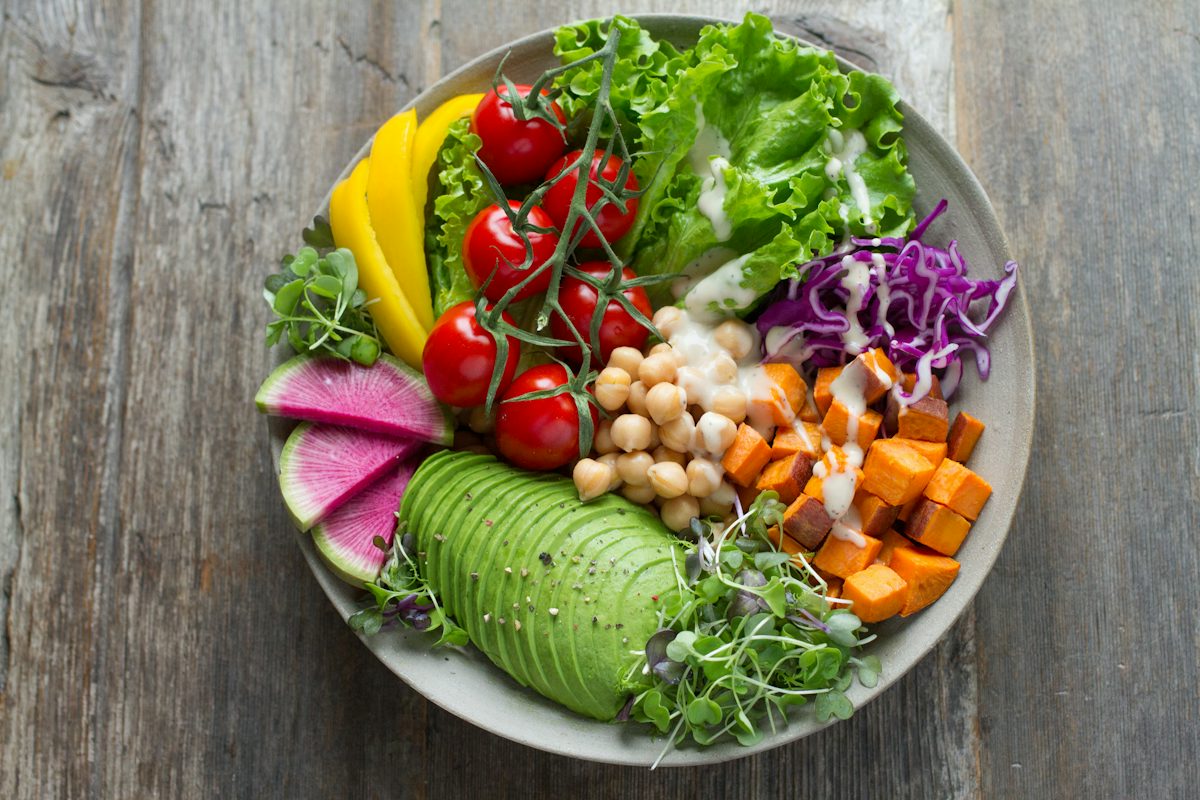
Photo for illustration purposes only
Vegan dining in Tokyo is more common than it used to be, but it requires more label-reading than in a lot of Western cities, mostly because traditional dashi stock is usually made from bonito flakes, not kombu seaweed alone, which quietly rules out a lot of dishes that look vegetarian on the surface.
Travelers often assume "vegetarian" and "vegan" overlap more than they actually do in Japan, and that assumption causes most of the confusion. A bowl of vegetable soup, a side salad, or even plain-looking miso soup can still contain fish-derived dashi, which means a dish with zero visible meat isn't automatically vegan, or even vegetarian.
Vegan vs. Vegetarian: Why the Difference Matters More in Tokyo
Vegetarian means no meat or fish, but still potentially eggs or dairy. Vegan excludes all animal products entirely, including dashi made from bonito, honey, and dairy in any form. In Tokyo specifically, the gap between the two matters more than usual because so many savory dishes rely on dashi as a flavor base, and restaurant staff don't always think to mention it unless asked directly, since dashi is treated as a background ingredient rather than a visible one.
Where Animal Products Hide in Japanese Food
A few common traps worth knowing before you order:
- Dashi stock: traditional dashi is usually made with bonito flakes (katsuobushi); a fully plant-based version uses kombu (kelp) alone, but menus rarely specify which.
- Miso soup: almost always made with bonito-based dashi unless a restaurant specifically offers a vegan version.
- "Vegetable" tempura: the batter itself is often vegan, but some recipes include egg, so it's worth asking rather than assuming.
- Ramen and udon broths: most are built on meat or fish stock, even in bowls that look vegetable-forward on top.
- Sauces and dressings: many use mayonnaise, fish-based condiments, or butter even on dishes that otherwise look plant-based.
What Tends to Be Genuinely Safe
Plain rice, edamame, most raw vegetables without dressing, black coffee and plain tea, and dishes explicitly labeled "vegan" (ヴィーガン) rather than just "vegetarian" are generally reliable starting points. A growing number of cafes, especially in Shibuya, Harajuku, and other areas popular with younger diners, now label vegan items clearly on the menu, which makes ordering considerably easier than guessing from a traditional menu.
Asking the Right Question
The most useful question isn't "is this vegetarian," it's "does this contain dashi, egg, or dairy." Dashi in particular gets missed because it's assumed to be a neutral broth rather than an animal product. If a strict vegan diet matters to you, asking about dashi specifically tends to get a far more accurate answer than asking about "meat" alone. Travelers juggling a gluten restriction on top of a vegan one run into a similar labeling gap, since what actually counts as gluten-free in Japan isn't always obvious from a menu either.
A Note on Green Beans Coffee
Green Beans Coffee, the specialty coffee shop in Kitasando near Sendagaya covered elsewhere on this site, is worth a brief, honest mention here. The shop uses real dairy milk rather than a non-dairy creamer for its lattes and mild-profile drinks, by design, for the sake of flavor. That means the straightforward vegan option on the drinks side is a black, hand-drip coffee, brewed from any of the shop's 30+ house-roasted beans. On the food side, the gluten-free one-plate lunch is built around a meat main (pork, chicken, or a seasonal option), so it isn't a vegan meal as currently offered. If a full vegan lunch matters to your visit, it's worth treating Green Beans Coffee as a coffee stop rather than a dining stop, and checking directly with staff about current plant-based options, since cafe menus do change over time.
Who This Is For
Vegan travelers who want to understand where the real risk points are in Japanese food before ordering, rather than assuming "no meat visible" is enough. It's equally useful for anyone traveling with a vegan companion and trying to help navigate a menu on their behalf.
Frequently Asked Questions
Q. Is vegetarian food in Tokyo automatically vegan?
No. Many dishes that look vegetarian still contain bonito-based dashi, which is a fish product, so "no visible meat" doesn't guarantee a dish is vegan.
Q. What is dashi, and why does it matter for vegans?
Dashi is the stock base used in most Japanese soups and sauces. Traditional dashi is usually made from bonito flakes, an animal product, while a fully plant-based version uses kombu seaweed alone.
Q. Is miso soup vegan?
Usually not, since it's typically made with bonito-based dashi. Some restaurants offer a kombu-only version, but it isn't the default.
Q. How do I ask if a dish is vegan in Tokyo?
Asking specifically whether a dish contains dashi, egg, or dairy gets a more accurate answer than asking generally whether something is vegetarian or vegan.
Q. Does Green Beans Coffee have vegan options?
Black, hand-drip coffee is a reliable vegan option on the drinks menu. The current gluten-free lunch is built around a meat main, so it isn't vegan; checking with staff directly is the best way to confirm current offerings.
Conclusion
Vegan dining in Tokyo rewards a bit of specific knowledge, mainly around how dashi works, more than it rewards avoiding any one type of restaurant. Once dashi is on your radar, a lot of menus become easier to navigate with confidence. For a coffee stop along the way near Kitasando, Green Beans Coffee's black hand-drip coffee is a straightforward, reliably vegan choice even if the food menu isn't built around plant-based eating yet.
Related Articles


GREEN BEANS COFFEE
Visit the Cafe With No Sign,
in Kitasando
From a single cup of coffee to a truly memorable moment—
enjoy your time just as you please,
amidst homemade dishes and a tranquil atmosphere.
3 min walk from Kitasando Station
You can also reserve via Instagram DM(@green.beanscoffee)