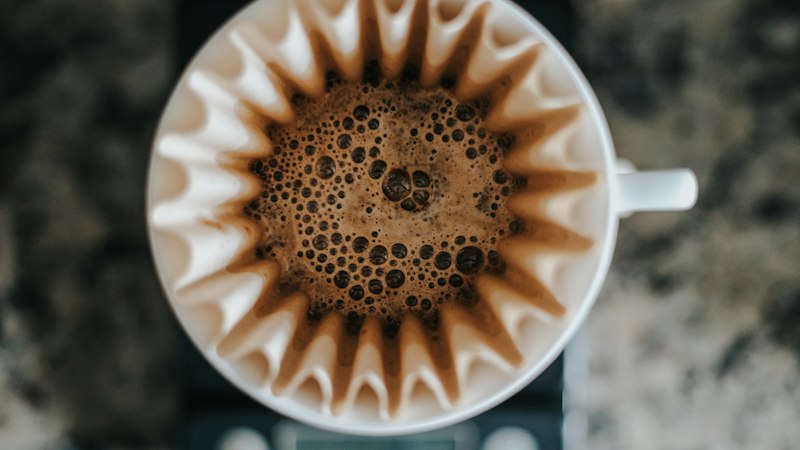
Photo for illustration purposes only
Hand-drip coffee, also called pour-over, is coffee brewed by slowly pouring hot water over ground beans in a filter by hand, rather than using a machine.
I get asked about this a lot by visitors at Green Beans Coffee in Kitasando, Shibuya, especially people who are used to espresso or drip machines back home and haven't seen a barista brew coffee this way before. It looks simple from the outside: a kettle, a dripper, a filter, and a cup. In practice, the method rewards a lot of small decisions, which is exactly why a hand-drip cup can taste so different from one brewer to the next.
What Is Hand-Drip Coffee, Exactly?
Hand-drip coffee is a manual brewing method where water is poured over coffee grounds held in a filter, and gravity pulls the brewed coffee through into a cup or carafe below. It's sometimes called pour-over, and it's one of the oldest manual brewing methods still in common use, alongside siphon and French press.
The defining feature is control. Unlike an espresso machine, which forces hot water through packed grounds under pressure in seconds, or a drip machine, which pours automatically on a fixed cycle, hand-drip brewing puts every variable in the brewer's hands: how hot the water is, how much is poured and when, and how long the whole process takes.
How Hand-Drip Coffee Is Made
The basic steps are the same wherever you go, though the details vary by brewer:
- Grind the beans to a medium-fine consistency, finer than French press, coarser than espresso.
- Rinse the filter with hot water, which also warms the dripper and cup.
- Bloom: pour a small amount of hot water over the grounds and let them sit for 30-45 seconds. This releases trapped gas from freshly roasted beans and helps the rest of the water extract evenly.
- Pour in stages, usually in slow, circular motions, adding water gradually rather than all at once.
- Let it drain fully before serving, which typically takes 2-4 minutes total from the first pour.
What Makes a Good Cup
Three variables do most of the work: water temperature, pour technique, and timing. Water that's too hot pulls out bitter, overly strong flavors; water that's too cool under-extracts and tastes flat and sour. Most brewers aim for somewhere around 90-96°C (194-205°F), though the exact target depends on the roast.
Pour technique matters almost as much. Pouring too fast floods the grounds and extracts unevenly; pouring too slowly in tight spirals can over-extract the center. This is the part that takes practice, and it's also why a skilled barista can get a noticeably better cup from the same beans than a beginner can.
Trying Hand-Drip Coffee at Green Beans Coffee
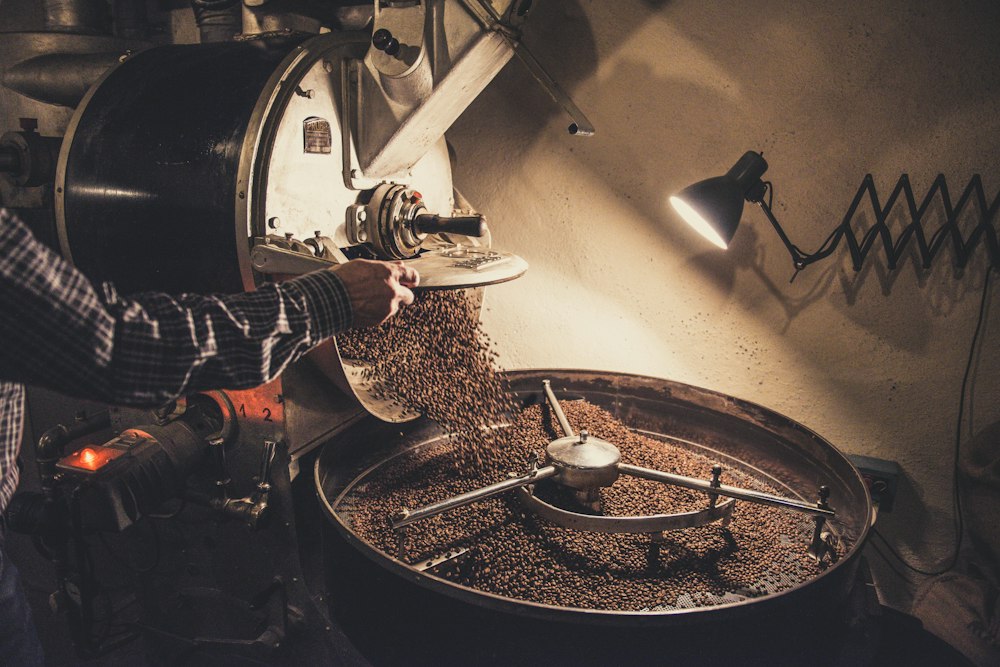
At Green Beans Coffee in Kitasando, the hand-drip counter is where most of this happens in front of you. The shop roasts its own beans in-house and keeps more than 30 varieties on hand across four simple profiles: Fruity, Mild, Bitter, and Decaf. Rather than asking what you'd like to order, the barista typically asks how you're feeling and picks a bean to match, then brews it by hand while you watch.
One detail that surprises a lot of first-time visitors: the cups used for hand-drip coffee here are intentionally asymmetric, thicker on one side than the other, so the aroma and flavor shift slightly depending on which side you drink from. It's a small touch, but it turns a routine cup of coffee into something closer to an experience. I've covered the full visit, including the asymmetric cup and the bean-selection process, in more detail in a separate piece on hand-drip coffee in Tokyo.
Who This Is For
Hand-drip coffee rewards patience more than expertise, so it works well for complete beginners and dedicated coffee people alike. If you've never had a cup brewed this way, coming in without any preference at all often leads to the best first experience, since the barista has more room to pick something you wouldn't have chosen yourself.
Frequently Asked Questions
Q. What is the difference between hand-drip coffee and espresso?
Espresso forces hot water through finely packed grounds under high pressure in under a minute. Hand-drip coffee uses gravity instead, with water poured slowly over coarser grounds over several minutes, producing a lighter-bodied, often more aromatic cup.
Q. Is hand-drip coffee the same as pour-over?
Yes. "Hand-drip" and "pour-over" describe the same manual brewing method; the terms are used interchangeably, though "hand-drip" is more common in Japan.
Q. Do I need special equipment to make hand-drip coffee at home?
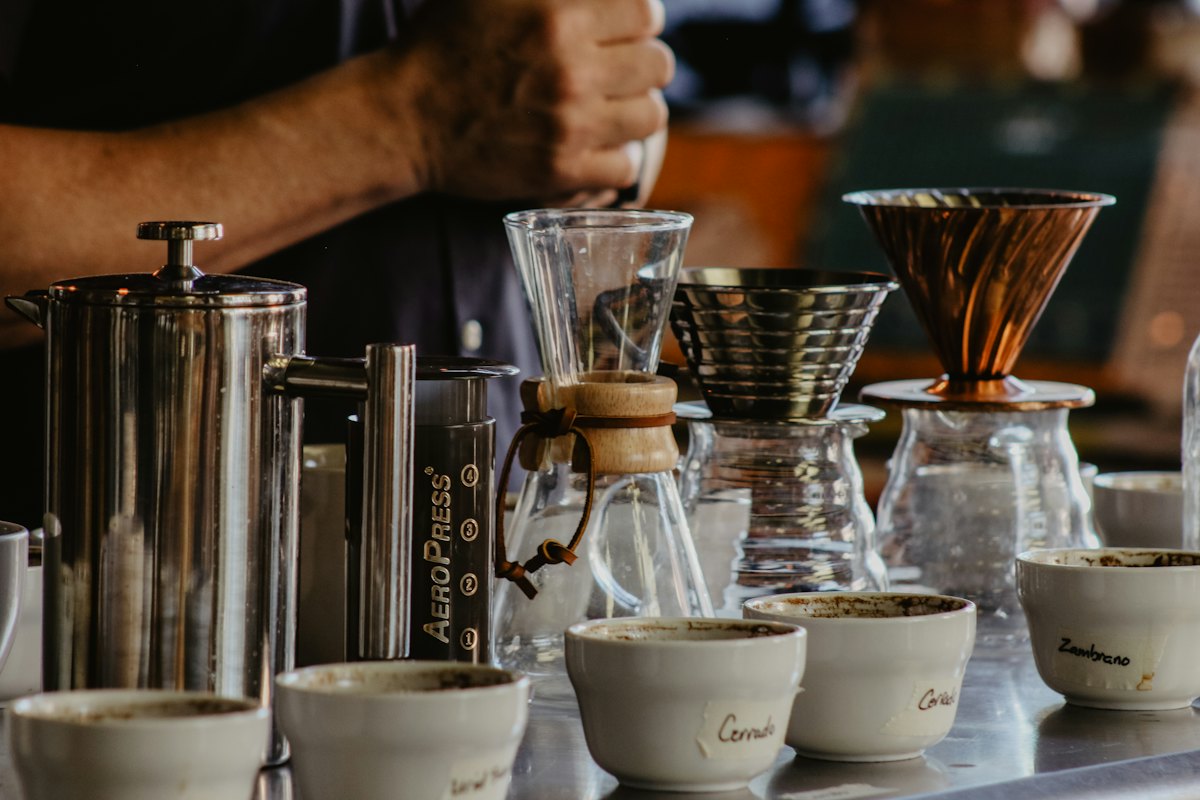
At minimum, a dripper, paper filters, a kettle, and a scale help. A gooseneck kettle, which allows for a slow, controlled pour, makes a noticeable difference once you're past the basics.
Q. Where can I try hand-drip coffee in Tokyo?
Green Beans Coffee in Kitasando, Shibuya, a few minutes from Sendagaya, serves hand-drip coffee from its own house-roasted beans and is a good place to see the process up close.
Q. Why does hand-drip coffee taste different every time?
Small differences in water temperature, pour speed, and timing all affect extraction, which is part of what makes hand-drip coffee variable from one brew to the next, even with the same beans.
Q. Is hand-drip coffee stronger than regular coffee?
Not necessarily. Strength depends more on the coffee-to-water ratio and bean roast than the brewing method itself. Hand-drip coffee is often described as cleaner and more nuanced rather than stronger.
Conclusion
Hand-drip coffee is, at its core, a simple idea: let gravity and a careful hand do the work that a machine usually does automatically. The result is a cup that reflects the person who brewed it, which is exactly why it's worth trying at least once from someone who does it for a living. For a closer look at one specific visit, see Where to Experience Japanese Hand-Drip Coffee in Tokyo, and for more on what goes into the beans themselves, What Is Specialty Coffee in Tokyo? covers the other half of the story. If you'd rather roast the beans yourself before brewing them, the shop's coffee roasting experience covers that side of the process.
Related Articles
GREEN BEANS COFFEE
Visit the Cafe With No Sign,
in Kitasando
From a single cup of coffee to a truly memorable moment—
enjoy your time just as you please,
amidst homemade dishes and a tranquil atmosphere.
3 min walk from Kitasando Station
You can also reserve via Instagram DM(@green.beanscoffee)