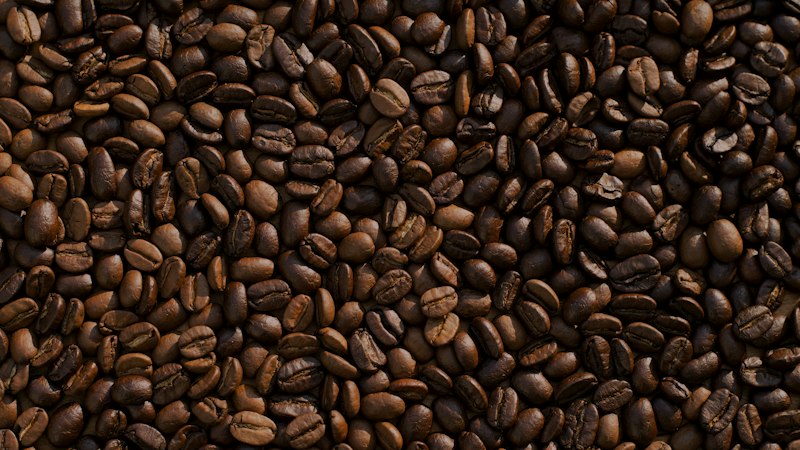
Photo for illustration purposes only
Specialty coffee is high-quality coffee, typically scored 80 points or above by professional tasters, grown, processed, and roasted with traceability in mind.
The term gets used loosely in a lot of cafes, so it's worth being precise about what it actually means. I hear "specialty coffee" used as a vague stand-in for "fancier coffee" fairly often, including by visitors at Green Beans Coffee in Kitasando, Shibuya, where the shop roasts its own specialty-grade beans in-house. It's a real category with a real definition, not just a marketing term.
What Is Specialty Coffee, Exactly?
Specialty coffee is coffee graded 80 points or higher on a 100-point scale used by professional cuppers (tasters) to evaluate aroma, flavor, acidity, body, and aftertaste, among other factors. The scale and scoring method are maintained by organizations like the Specialty Coffee Association, and beans are evaluated green (unroasted), then again after roasting and brewing.
This puts specialty coffee at the top of a quality pyramid, above "premium" and far above the commodity-grade beans used in most mass-market coffee. Commodity coffee is typically blended from many sources and sold mainly on price; specialty coffee is usually sold with traceability back to a specific farm, region, or cooperative, and priced to reflect that quality.
What Makes Coffee "Specialty" Grade
A few factors separate specialty coffee from regular coffee:
- Defect-free beans: specialty-grade green coffee allows for very few physical defects (broken, insect-damaged, or discolored beans) per sample, compared to the higher defect tolerance in commercial-grade coffee.
- Traceability: specialty coffee is usually traceable to a single origin, often down to a specific farm or processing station, rather than a blend of unknown sources.
- Careful processing: how the beans are processed after harvest (washed, natural, honey, and other methods) is controlled and documented, since it has a major effect on final flavor.
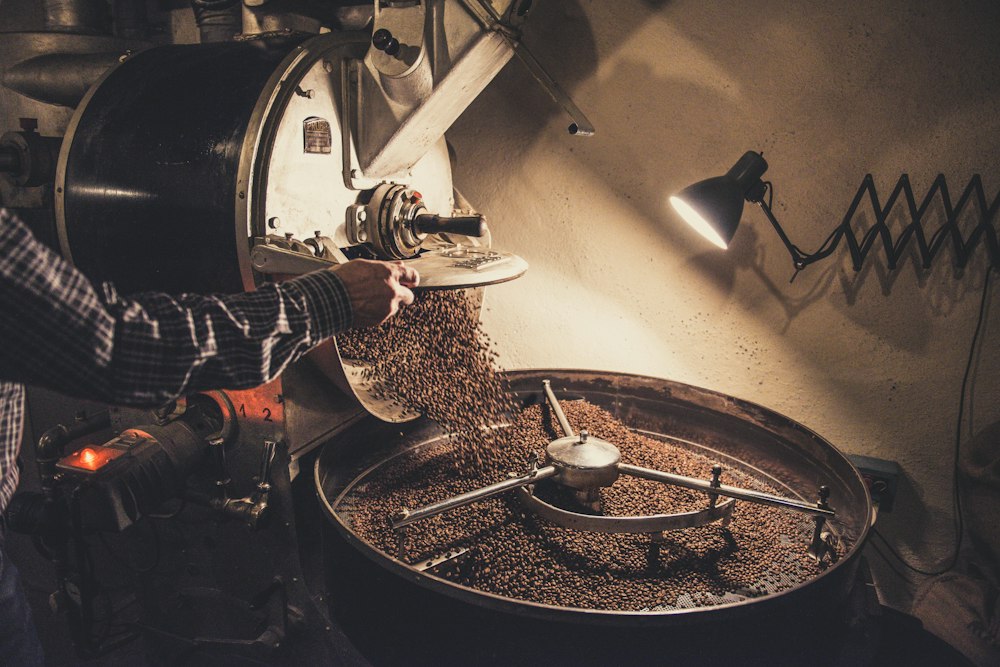
- Fresh roasting: specialty coffee is typically roasted in smaller batches and sold closer to the roast date, rather than sitting in a supply chain for months.
Specialty Coffee vs. Regular Coffee: The Practical Difference
In the cup, the difference usually shows up as flavor clarity. Regular, commodity-grade coffee is often roasted dark enough to mask inconsistencies in the beans, which flattens out a lot of the more delicate flavors. Specialty coffee is roasted to show off what the specific bean actually tastes like, whether that's bright and fruity or deep and chocolatey, which is why specialty shops tend to describe beans in terms of flavor notes rather than just "roast level."
Specialty Coffee at Green Beans Coffee in Tokyo
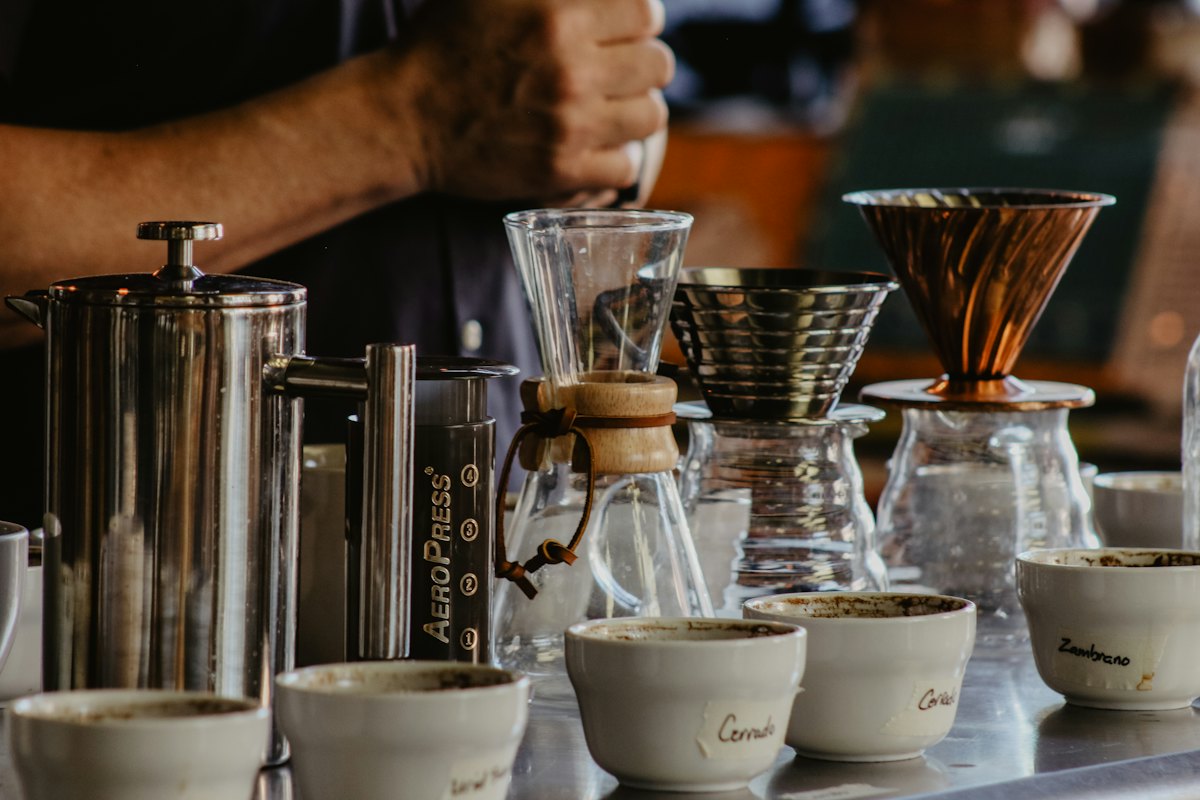
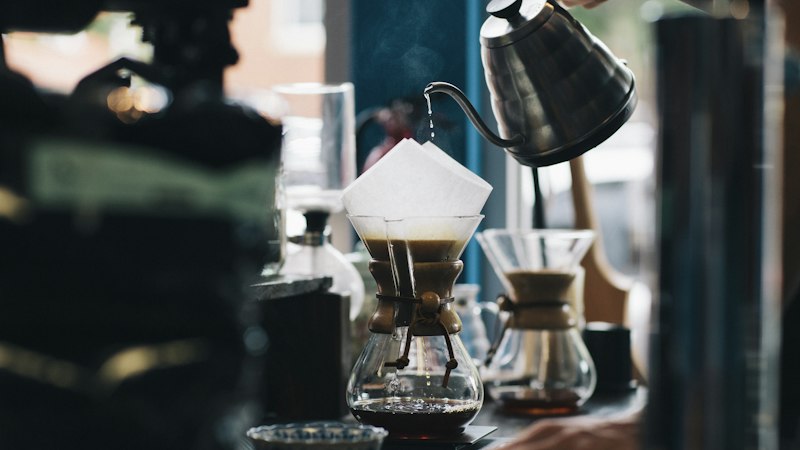
Green Beans Coffee in Kitasando roasts its own specialty-grade beans in-house and keeps more than 30 varieties on hand at any time, organized into four simple profiles: Fruity, Mild, Bitter, and Decaf. Rather than making you read through single-origin names and tasting notes, the barista will usually ask how you're feeling and recommend a bean to match, then brew it by hand-drip so you can taste the bean on its own terms.
If a particular cup stands out, you can buy the same beans to take home, whole bean or ground, and there's a monthly subscription for regulars who want fresh specialty coffee delivered without visiting in person every time.
Who This Is For
Anyone curious about why "good coffee" tastes different from what they're used to, not just people who already consider themselves coffee enthusiasts. Specialty coffee shops are generally set up to explain what you're drinking, which makes them a reasonable entry point even with zero background.
Frequently Asked Questions
Q. What score does coffee need to be considered specialty grade?
Coffee needs to score 80 points or above out of 100 on the scale used by professional cuppers, based on criteria like aroma, flavor, acidity, and aftertaste.
Q. Is specialty coffee the same as single-origin coffee?
Not exactly. Single-origin means the coffee comes from one specific place rather than a blend. Most specialty coffee is single-origin, but single-origin alone doesn't guarantee specialty-grade quality.
Q. Why is specialty coffee more expensive than regular coffee?
Specialty coffee involves stricter quality control, smaller batch sizes, and direct traceability to specific farms, all of which cost more than sourcing commodity-grade beans in bulk.
Q. Does specialty coffee always taste fruity or sour?
No. Specialty coffee spans a wide range of flavor profiles, from fruity and bright to deep and chocolatey. Fruity, acidic cups tend to get more attention, but mild and bitter profiles are just as valid.
Q. Where can I try specialty coffee in Tokyo?
Green Beans Coffee in Kitasando, Shibuya, roasts its own specialty-grade beans in-house and offers more than 30 varieties, making it a good place to compare different profiles side by side.
Q. Can beginners tell the difference between specialty and regular coffee?
Often, yes, especially side by side. The clarity of flavor tends to stand out even without any prior coffee knowledge.
Conclusion
Specialty coffee isn't a vague marketing label; it's a graded, traceable category of coffee built around quality and transparency from farm to cup. Tasting the difference for yourself is easier than it sounds. At Green Beans Coffee, it just takes asking the barista for a recommendation and letting hand-drip brewing show the bean at its best. If you're weighing a quick tasting against a longer roasting session, how to choose a specialty coffee experience in Tokyo breaks down which fits your trip.
Related Articles
GREEN BEANS COFFEE
Visit the Cafe With No Sign,
in Kitasando
From a single cup of coffee to a truly memorable moment—
enjoy your time just as you please,
amidst homemade dishes and a tranquil atmosphere.
3 min walk from Kitasando Station
You can also reserve via Instagram DM(@green.beanscoffee)